
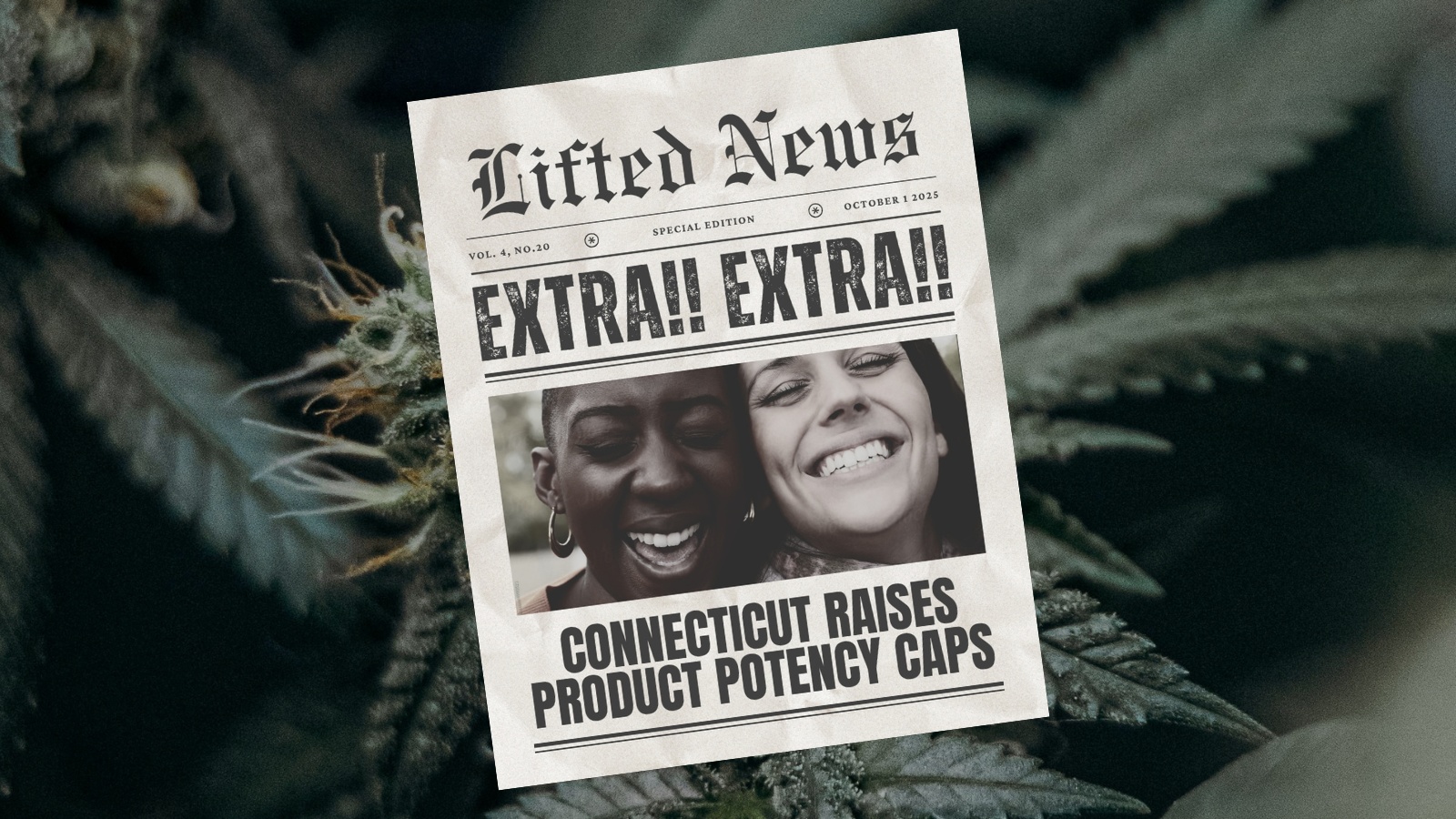
As of October 1, 2025, Connecticut raised its THC potency limits for cannabis products for adult-use customers — a major update for both customers and dispensaries. Flower can now test up to 35% THC, while non-vape products (like edibles, tinctures, and concentrates) can contain up to 70% THC. New “High THC” labels and menu segments are now required statewide.
These changes are creating buzz — and a bit of confusion — as shoppers recalibrate what THC percentages really mean. At Higher Collective, we’re here to help you make sense of it all.
What Changed in Connecticut Cannabis Law
Here’s a quick breakdown of what’s new:
- Flower: The maximum potency has increased from 30% THC to 35% THC.
- Non-Vape Concentrates: The limit has increased from 60% THC to 70% THC.
- Vape Products: No change — these remain capped under current DCP regulations.
- Any product testing above a certain threshold must now display a “High THC” label.
- Menus will be segmented accordingly so customers can clearly distinguish between standard and high-potency options.
Why the New THC Limits Matter
THC — short for tetrahydrocannabinol — is the compound responsible for cannabis’ psychoactive effects. While potency can play a role in your experience, it’s far from the only factor that determines how you feel. Think of THC percentage as just one data point. Your unique body chemistry, tolerance, consumption method, and even the terpene profile of the product all shape your experience. That’s why “stronger” isn’t always “better.” A product with a lower THC percentage but balanced terpenes can deliver a more enjoyable and consistent high than a product that’s technically more potent.
How to Read the New ‘High THC’ Labels
You’ll start seeing “High THC” badges on packaging and digital menus this month. Use them as part of your decision-making, not your entire guide. Here’s what to look for:
- “High THC” = Above the new potency threshold for that product type.
- Displayed Percentage = The total THC concentration as tested by a licensed lab.
- Batch Info = Look for the test date, lab name, and lot number — proof of compliance and transparency.
How Higher Collective Is Helping Customers Recalibrate
Our budtenders are trained to explain THC percentages in context and recommend balanced options for your desired experience. You can expect clear labeling and menu segmentation to help you navigate products with ease. We’ll also be posting more educational content, including blog posts, stories on social (follow us if you’re not already!) and more. We’re not here to sell “the strongest.” We’re here to help you find what works best for you.
How to Shop Smart in the New Era of High THC
- Start low and go slow. Take smaller doses and see how your body responds.
- Balance potency with terpenes. Look for strains rich in myrcene, limonene, or caryophyllene for distinct effects.
- Ask questions. Our team can help you compare effects, formats, and ratios safely.
- Keep notes. Logging what you try can help you fine-tune your preferences over time.
The Bottom Line
Connecticut’s raised THC limits are a milestone for the state’s growing cannabis industry, but they’re also a reminder that education and responsibility go hand-in-hand with progress.
Whether you’re a longtime customer or new to cannabis, Higher Collective is your trusted guide through every change. Stop by your nearest location, chat with our team, and discover how to navigate this new era of elevated cannabis with confidence.